
Why mold matters in Globeville homes
Mold grows when building materials stay damp, and many Globeville homes have the conditions that keep materials damp: older foundations, limited ventilation in basements, and a neighborhood history of low-lying ground near the South Platte River and the rail corridor.
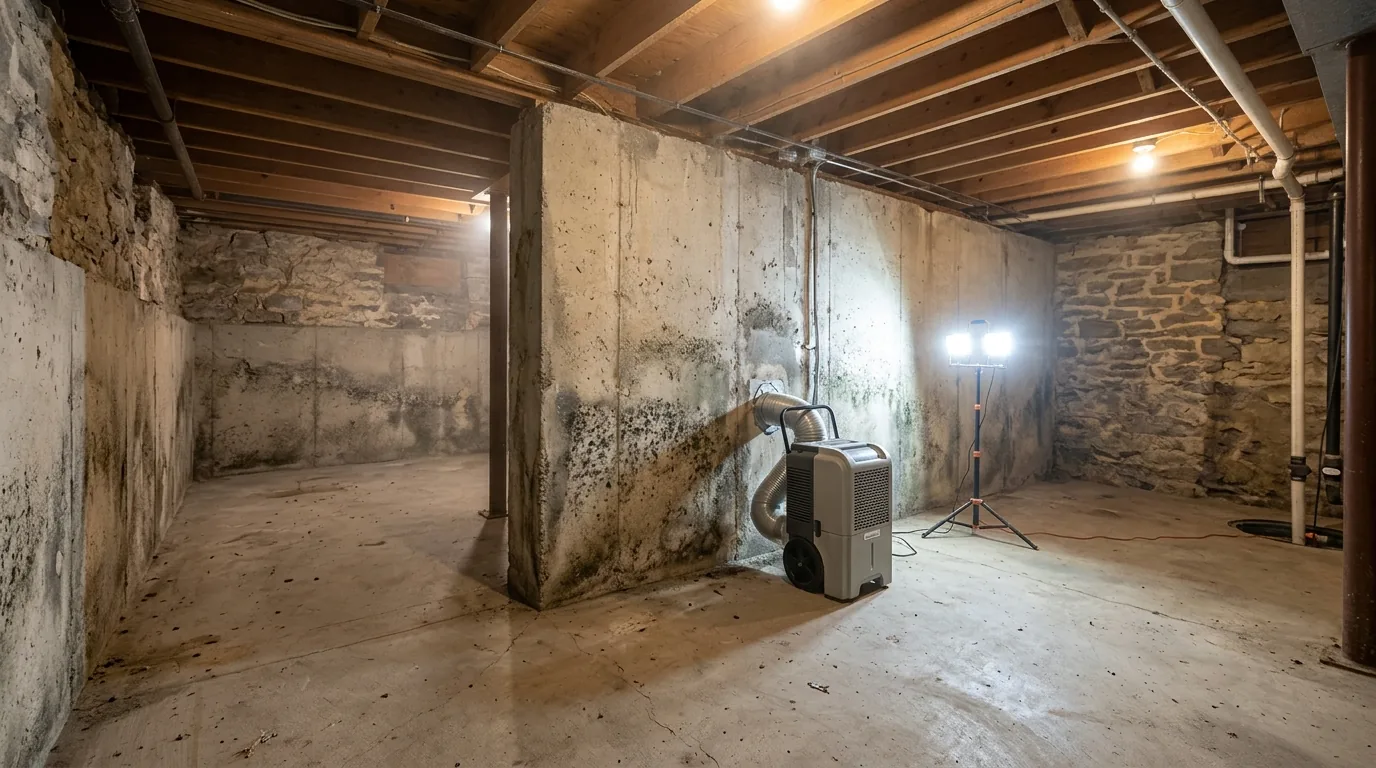
The housing stock varies block by block. Older brick and frame rowhouses often have basements with masonry walls that were built before modern waterproofing. Bungalows and cottages commonly have crawl spaces or unfinished basements where cold surfaces attract condensation. Newer infill homes may be tighter and better insulated, but they can trap humidity if bath fans and range hoods do not vent well.
Winter brings a particular pattern. When outdoor temperatures drop, exterior walls and window frames get cold, and warm indoor air condenses on them. In a home with a damp basement and poor airflow, that condensation can keep the same wall wet for weeks. Our homepage mold remediation in Denver guide covers the general causes, but the local housing pattern shapes which of those causes shows up first.
Summer is a different risk. Irrigation that runs against a foundation wall, lawns that stay wet near the house, and summer storms that drop heavy rain in a short time can all add moisture to the soil. A basement that stays cool and shaded through July can hold that moisture well into the fall, so growth sometimes shows up after the weather has already changed.
The four services Globeville residents ask about most
Based on the typical problems in older Denver housing, these four services are the most common needs in this neighborhood. The reasons come from how the homes are built, not from a count of calls.
Basement mold remediation
Many Globeville basements are the first place to show growth. Masonry walls and older slab floors can carry moisture from the soil, and storage in damp corners makes the problem worse. Start with the basement mold remediation page to see how the moisture path is handled.
Black mold removal
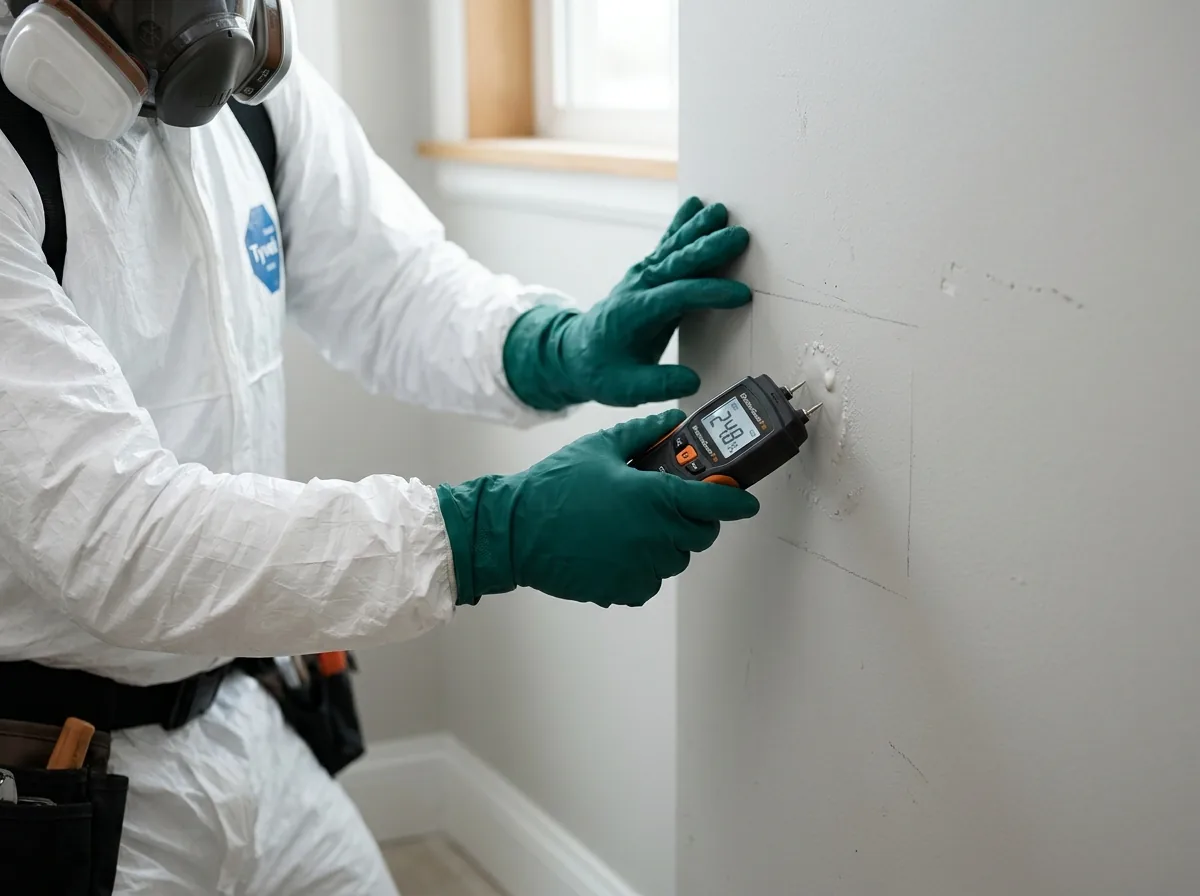
Black growth on drywall or paper is common behind walls and in basement finishes that stayed wet during a wet season. Because the wall often holds more growth than the surface shows, a containment plan and a moisture reading matter more than the color. See our black mold removal guide for the steps.
Attic mold removal
Older roofs and thin attic insulation mean warm air from the house can reach cold roof boards in winter. Growth on the sheathing and insulation paper is a frequent finding in these homes. The attic mold removal page explains the ventilation side of the fix.
Bathroom mold removal
Bath fans in older homes sometimes vent into the attic or soffit rather than outside. Steam from the shower then stays in the house and condenses on cold surfaces. The bathroom mold removal page covers the fan and the wall behind the tile.
A local checklist before you call
Having a few details ready makes the first conversation faster and the inspection more accurate for a home in this neighborhood.
- The age of the house, if you know it, and whether the basement is finished
- Whether the basement or crawl space has ever taken on water
- Where the downspouts discharge and whether the gutters are clear
- Where bath and kitchen fans vent to
- Dated photos of any staining, smell, or growth
When you call, the technician will usually ask about the age of the house and the basement finish. Those answers help predict where moisture is most likely to sit before anyone opens a wall. Expect the technician to check the foundation perimeter, the sump or floor drain if present, the furnace and water heater area, and any storage shelving against the walls. Those spots show growth early in many older homes.
Questions from Globeville homeowners
Are basements in older Globeville homes more likely to have mold?
Older basements with masonry walls and limited ventilation are more prone to moisture, which can support growth. Whether a specific basement has a problem depends on drainage, humidity, and the condition of the walls, so an inspection is the best way to know.
Does the wet season change how urgent a problem is?
Yes. Moisture from heavy rain or snowmelt can saturate soil around the foundation and push water into the basement. A problem that appears after a wet season should be checked soon, while the wall is still documented.
Can I do the work myself in a small basement corner?
EPA guidance indicates that areas of about 10 square feet or less can often be handled by a homeowner once the moisture is fixed. If growth is inside a wall, under flooring, or near a foundation crack, call a professional.
What should I check in an attic or crawl space here?
Look for damp insulation, staining on floor joists or rafters, and any standing water in a crawl space. Check that vents are not blocked and that the crawl space has a moisture barrier on the ground if one was installed.
Who handles the water problem if the source is outside?
Grading, gutters, and drainage are usually handled by a landscaping or waterproofing contractor. Our team can identify the water path and recommend the work, and the fix is a separate trade.